What a GM looks for on a hotel room walk
A housekeeping inspection asks whether the room is clean for tonight. A GM walk asks whether it is still the room you are selling — the slow wear nobody notices because they are in it every day.
Updated 7 min read
The inspection checks tonight; the walk checks the room
A supervisor inspecting a checkout is asking one question: is this room ready for the next guest? That is the right question for them, and their checklist is built for it — bed, bathroom, dust, supplies, anything the last guest left behind.
Condition does not fail an inspection. A scuffed wall, a carpet seam starting to lift, a drape hook missing, a bulb a shade warmer than its neighbor — none of it is dirty, so none of it is anyone's finding. It accumulates a little each week, and the people in the room every day stop seeing it. The GM walk is the one look at the room that is not about the last stay.
A few rooms, several times a week
Two or three walks a week, three or four rooms each, is a pace a GM can keep through a busy month. It works out to somewhere between six and a dozen rooms a week, and the frequency matters more than the total: if you can turn up on any floor on any day, every floor gets cleaned and maintained as though you might.
Spread the rooms out rather than walking four in a line. Neighboring rooms were usually cleaned by the same attendant and inspected by the same supervisor, so four of them tend to show one person's habits four times. Rooms from different sections show you four people's work — and whether the standard is actually shared, which is where inconsistency shows.
Mix how you choose the rooms
Any single way of choosing develops a blind spot. Rotate through several, so that over a month every floor, every attendant and every neglected room has been in the sample.
| Choose by | What it finds |
|---|---|
| Random | The ordinary standard, not the standard people keep for rooms they expect you to see |
| Floor, in rotation | Wear and maintenance that cluster by floor — a leaking riser, a corridor carpet. Still take rooms from different sections of it |
| Attendant | Whether each person's rooms hold up, including the people who rarely get inspected |
| Not inspected lately | Rooms the daily program has stopped reaching |
| Recently noted | Whether a guest comment, an earlier finding or a closed work order was actually fixed |
Look up, then look down
Daily cleaning works at hand height. The two places it reliably does not reach are above the head and under the furniture, so start a walk at each.
- High dusting: tops of door frames, the wardrobe, picture frames and the headboard; curtain tracks and pelmets; HVAC grilles and the light fittings
- Bulbs: every one working, and every one the same color and brightness — a single mismatched lamp is visible from the door
- Floor: debris along the baseboards, in the corners and behind the door
- Under and behind the furniture: under the bed, behind the nightstands, under the desk and the sofa
- Carpet: worn paths from door to bed and bed to bathroom, lifting seams and edges, stains that have been cleaned into a halo
- Tile: cracked or chipped tiles, grout that is stained or missing
Walls, windows and window coverings
This is where a room ages fastest, and where a quick fix by engineering looks worse than the damage it covered.
- Scuffs and dings at luggage height, along the bed and behind the door where the handle strikes
- Patches filled but never painted, or painted in a sheen that does not match
- Windows: clean glass, tracks free of debris, seals intact, no condensation between panes
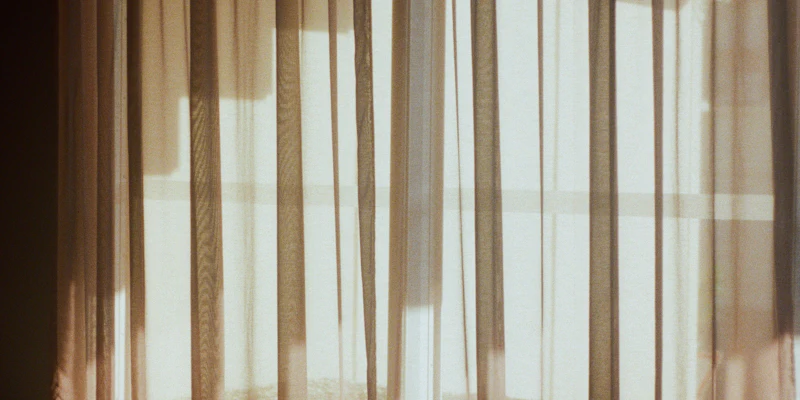
- Drapes and sheers: hems straight, no missing hooks, no stains on the leading edge guests handle
- Blackout: closes fully with no light gap at the sides or the middle
Run the water and pull the grille
Plumbing and HVAC faults are invisible until something is running. Turn things on.

- Every tap: hot water arrives, pressure is normal, nothing drips after it is closed
- Drains clear quickly with no odor; look under the sink for drips or staining
- Flush the toilet: it refills and stops, the base and caulk are sound
- HVAC filter: open the return and look at it, rather than trusting the PM date
- Cable management: TV, lamp and charger cables run tidily and out of sight, nothing dangling or tangled behind the desk
Sameness is the standard
Amenities, collateral and set-up should be identical in every room of a type: the same items, in the same places, facing the same way. A guest staying twice should not be able to tell which room they were in last time.
This is where attention to detail shows. A room can pass inspection with the remote on the wrong side, a missing pen, two different hanger styles and a mirror hung slightly off level. None of those is a failure on its own. Together they are the difference between a room that was cleaned and a room that was prepared.
Send each finding to the person who owns it
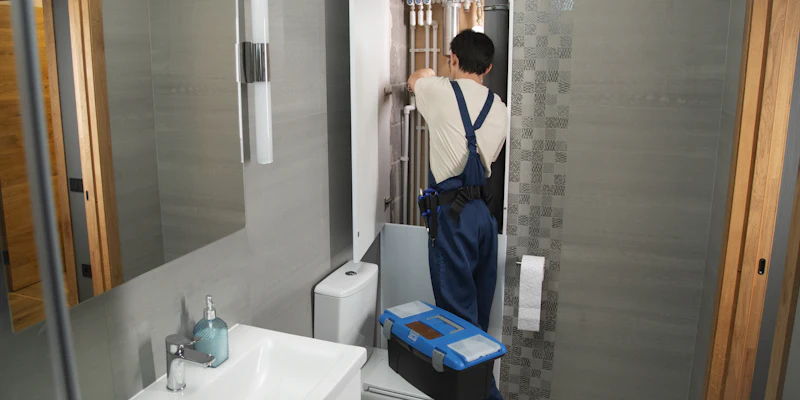
The GM finds things; the GM should not be the one fixing them. Each finding goes to the person who owns that kind of problem, and mixing them up is how an attendant gets marked down for a dripping tap.
| Finding | Goes to | What happens next |
|---|---|---|
| Cleaning miss | The housekeeping supervisor or manager | Corrected, then reinspected by them — with a photo, so the coaching is about what was there |
| Condition or PM issue | Maintenance, as a work order | Fixed on its priority; not counted against the attendant |
| Room cannot be sold as it is | Both, at once | Room comes out of inventory, maintenance repairs, housekeeping cleans and reinspects before it is released |
| Rooms set up differently | The housekeeping manager | Fix the standard or the supplies, not one room |
Common questions
- How often should a hotel GM walk guest rooms?
- Two or three times a week, three or four rooms each time, is a pace that survives a busy month. Frequency matters more than the total: if the GM can appear on any floor on any day, every floor is kept to standard, whereas a big walk once a quarter shows one afternoon.
- What does a GM check that a housekeeping inspector does not?
- Condition rather than cleanliness: high dust above hand height, debris under furniture, wall damage and unpainted patches, carpet wear, cracked tile, plumbing, HVAC filters, bulbs, cable management, window coverings, and whether amenities and set-up are identical from room to room.
- How should a GM choose which rooms to walk?
- Rotate several methods: random rooms, one floor at a time in turn, rooms cleaned by a particular attendant, rooms not inspected lately, and rooms with a recent guest comment or finding. Each method alone develops a blind spot; rotating them covers the whole hotel over a month.
- Should maintenance problems found on a room walk count against the housekeeper?
- No. A dripping tap, a lifting carpet seam or a dead bulb is a work order for engineering, not a cleaning failure. Record it as maintenance so it is fixed and tracked, and keep the attendant's results to what they control, or the scores stop meaning anything.
Useful for your GM? Send it to them. Email it
Free to use in teaching, with credit.